Around Kings Mountain, towing rarely means a single long climb. It means rolling grades on the way to the lake, to Crowders Mountain trailheads with a trailer of gear, or out toward the foothills with a camper, repeated all summer long. Each grade is a heat event for the transmission, and the events stack. The trucks that survive years of this are not usually the ones with the most power. They are the ones whose owners work a checklist before the season and a few habits during every trip.
Heat is the enemy because transmission fluid is the lifeblood and the coolant at once. As temperature climbs, fluid oxidizes, clutch material suffers, and seals harden. None of that announces itself with a gauge on most dashboards. The checklist below is built to catch the problem where it actually lives: in preparation, not on the roadside.
Start with the fluid, every spring
Fluid condition is the pass-or-fail line everything else hangs on. Healthy fluid is red and smells faintly sweet. Fluid that has been overheated turns brown, then dark, and picks up a burnt smell that is unmistakable once you have smelled it. If your truck has a dipstick, this is a two-minute check on a level driveway. If it is a sealed unit, have the level and condition checked on a lift, because low fluid from a slow leak overheats a towing transmission even faster than old fluid does.
Also check the schedule honestly. Manufacturers publish a severe-service interval for exactly this use, and regular towing in Piedmont summer heat qualifies as severe even when the trips feel short. Running fresh fluid into towing season is the closest thing to a reset button this system has.
The pre-season towing checklist, in order
- Fluid level and condition: Pass if red and clean-smelling at the correct level. Fail if dark, burnt, or low. Service before towing, and find any leak that made it low.
- Cooler and lines: Pass if the cooler fins are clear of bugs and road debris and the lines are dry. Fail if lines weep at the fittings or the cooler is packed with grime, either of which cuts cooling when you need it most.
- Cooling system health: Pass if the engine runs at its normal temperature with the air conditioning on. Fail if the engine itself creeps hot, because the transmission cooler shares that burden on most trucks.
- Tow mode and gear selection: Pass if tow/haul mode works and you know how to lock out the top gear. Fail if you plan to let the truck hunt between gears on grades, which is converter slip and heat on repeat.
- Trailer brakes and lights: Pass if the trailer brakes share the stopping work. Fail if the truck brakes alone stop the rig, since long descents then heat the brakes and force the transmission to hold back more than it should.
- Tires, including the trailer's: Pass if pressures match the placard and trailer tires are not aged out. Fail if anything is underinflated, which adds rolling resistance and load on every grade.
- Weight honesty: Pass if the loaded trailer is weighed or conservatively estimated inside the truck's rating. Fail if the estimate is a guess that grew since last season.
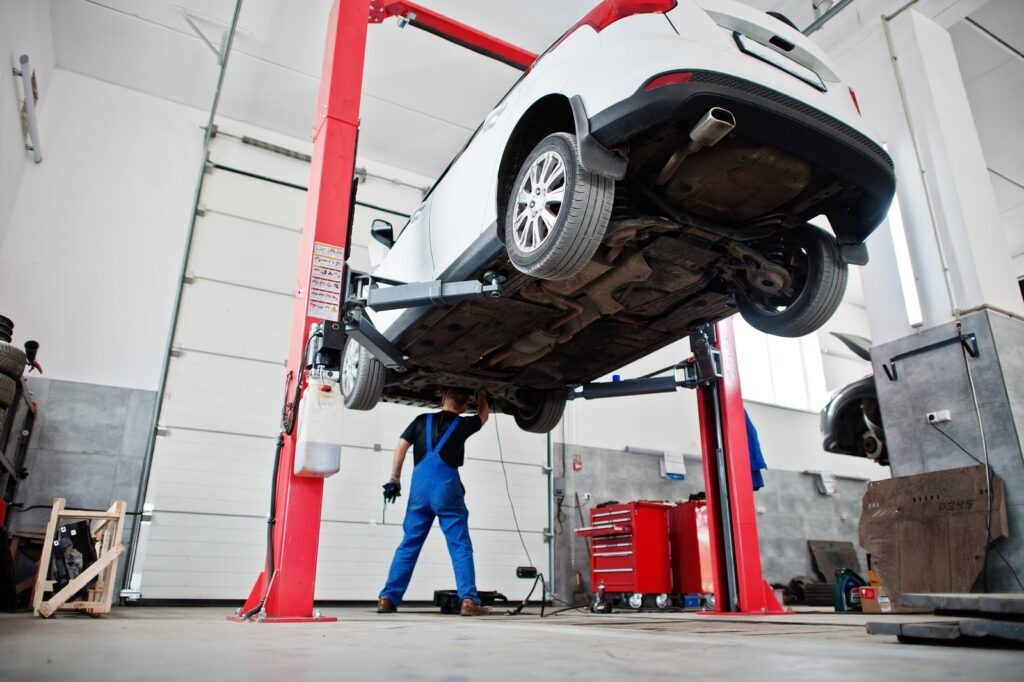
On the road: four habits that hold temperatures down
First, engage tow/haul mode every time, not just for heavy loads. It raises shift points, firms shifts, and schedules converter lockup earlier, all of which reduce slip. Second, when a grade starts the truck cycling between two gears, select the lower one and stay there until the crest. Steady revs in a lower gear run cooler than the shift-hunt cycle. Third, watch your following distance and pace on descents so the lower gear does the holding, not the brake pedal.
Fourth, give the drivetrain a cool-down at stops. After a long pull into a rest area or campground, a minute or two of idling in park lets fluid keep circulating through the cooler while the load is off. Shutting down instantly after the hardest grade of the day parks the heat in the case to soak.
The auxiliary cooler question
If you tow monthly or heavier through the summer, an auxiliary transmission cooler moves from optional to sensible. It adds cooling capacity exactly where the factory setup runs out, on long grades at modest road speed where airflow is weakest. If your towing is twice a year and light, the checklist and the habits will carry you, and the money is better spent on fluid service. Frequency and load decide it, and a shop that asks how you actually tow before recommending one, as Curry's Trans-Research-Development does, is asking the right question.
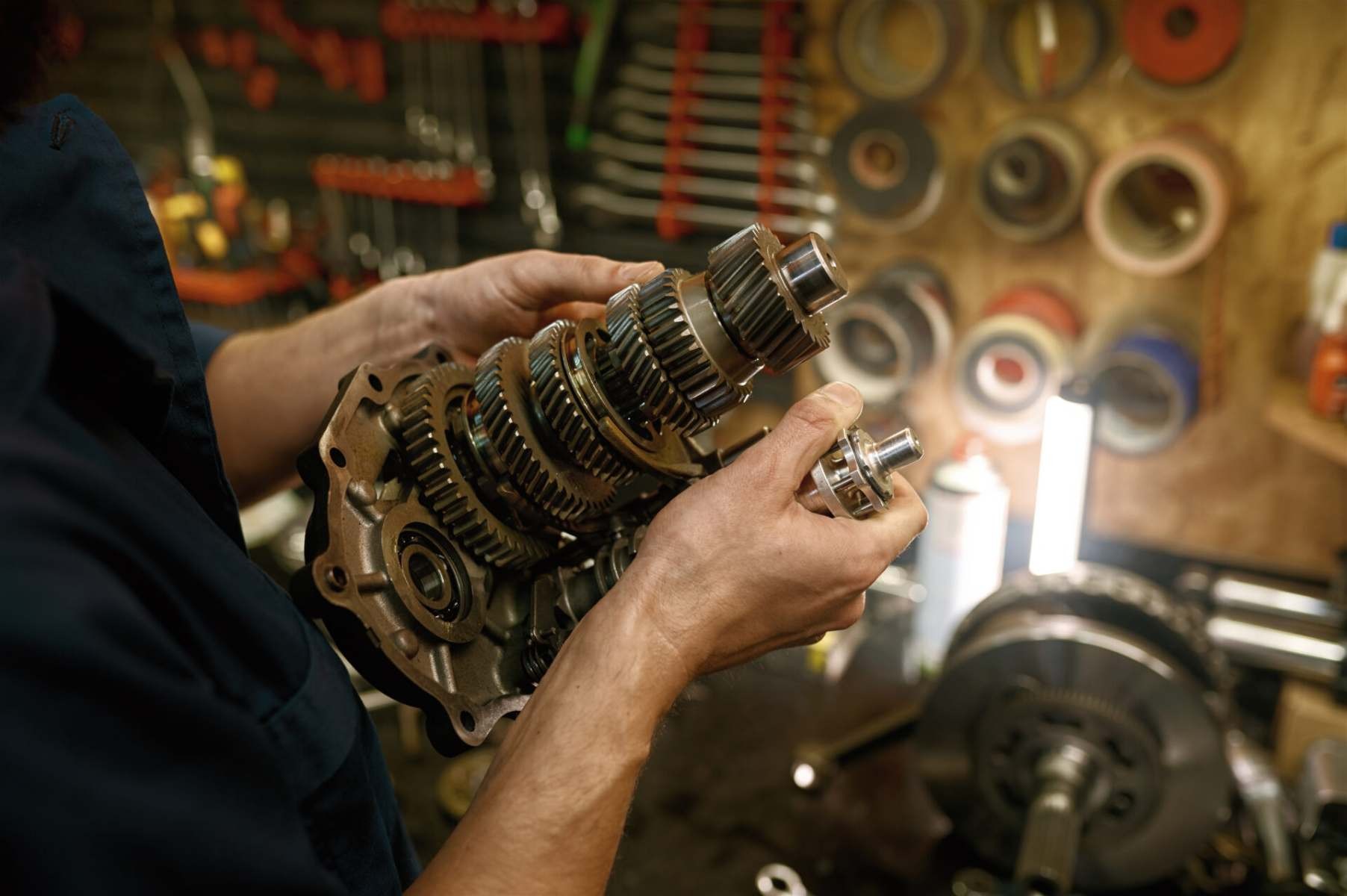
What overheating looks like when it is already happening
The signs arrive as behavior changes late in a trip: shifts that were crisp in the morning go soft by afternoon, the converter stops locking at cruise, or the truck feels reluctant on grades it handled earlier. A burnt smell at a fuel stop, with the hood up, confirms it. At that point the correct move is to stop towing hard, let the rig cool fully, and have the fluid inspected before the next trip. Fluid that has cooked once has lost protection permanently, and the next trip on it starts the damage where this one left off.
Repeated overheating also leaves evidence a shop can read: stored temperature codes, debris in the pan, and clutch material in the fluid. Catching it at that reading, before hard parts are damaged, is the difference between a service visit and a bench job.
Common questions
Can I add a cooler myself?
Many owners do, but the details matter: airflow placement, line routing away from exhaust heat, and correct fluid level afterward. A cooler installed where air cannot reach it is decoration, not cooling.
Is synthetic fluid worth it for towing?
Where the manufacturer specifies or allows it, synthetic fluid tolerates heat better and oxidizes more slowly. Use the exact specification your transmission calls for, in synthetic form if available.
My truck has no transmission temperature gauge. How do I monitor heat?
Many trucks report transmission temperature to a scan tool or phone app through the diagnostic port even without a dash gauge. Ask a shop to show you the reading on your own truck during a service visit.
Photos in this guide are representative stock images.
← All guides from Curry's Trans-Research-Development← Back to Curry's Trans-Research-Development